What Makes Australia a Must-Visit for Adventure Seekers?

Diverse Adventure Landscapes
Exploring diverse adventure landscapes around the world is an experience unlike any other. From the vibrant street art of Melbourne's Hosier Lane to the serene shores of St Kilda Beach, there's something for every travel enthusiast. Recently, I embarked on a Botswana safari, which was truly an unforgettable journey. The landscapes were teeming with wildlife, and observing these creatures in their natural habitat was a remarkable experience. The richness and variety of this African wilderness had me constantly reaching for my camera, capturing moments that were both beautiful and poignant.
If you're craving an island escape, consider a Galapagos cruise. The vibrant marine life will leave anyone, especially a marine biologist, in awe. Imagine swimming alongside sea turtles and observing penguins in their playful antics; it's a testament to conservation done right. Such trips perfectly align with sustainable travel ideals, ensuring minimal impact on fragile ecosystems.
Customisation is key to satiate specific travel desires, and for that, tailormade Africa tours excel. Every itinerary can be crafted to align with personal conservation values and exploration desires, making each journey enriching and responsible. Whether it's engaging with local communities or exploring ecological wonders, these personalised experiences ensure that travel transcends just sightseeing, transforming into meaningful interactions and insights.
Water-Based Activities
Diving at the Great Barrier Reef
Diving at the Great Barrier Reef is an experience like no other. As someone who's spent a fair chunk of time beneath the waves, I can tell you that exploring this vibrant aquatic world is akin to witnessing the street art of Hosier Lane, where each splash of colour tells its own story. The reef’s expansive coral networks and myriad of marine species offer unparalleled insights into this submerged paradise. For those of you planning on adding a taste of adventure from across the globe, the Galapagos Islands are equally mesmerizing—making Galapagos tours a must-add to your travel bucket list.
White-Water Rafting Adventures
For those who enjoy a more adrenaline-packed adventure, white-water rafting is a thrilling way to embrace Australia's rugged wilderness. Traversing the turbulent rapids of the Tully River offers an exciting blend of skill and sheer exhilaration. The sensation of careening through surging waters, surrounded by lush rainforest, rivals the adrenaline rush found on African safaris, and my memories of African tours still stir feelings of awe and excitement.
Surfing Iconic Waves
Surfing holds a special place in my heart, akin to sipping the perfect espresso in one of Melbourne CBD’s iconic laneways. Whether you’re a seasoned surfer or a beginner, there is a perfect spot along Australia's dynamic coastlines. Bells Beach and Byron Bay are known for their legendary waves, drawing surf enthusiasts from around the world. It's about harmony with the ocean, much like digital nomads seeking serenity at the calm shores of St Kilda Beach.
Wildlife Encounters
Snorkeling with Marine Life
Australia's waters offer a myriad of snorkeling adventures that let you get up close with extraordinary marine life. Whether you're navigating the vibrant coral landscapes of the Great Barrier Reef or the secluded spots around the Whitsunday Islands, snorkeling is a gateway to a world teeming with aquatic wonders. Picture this: gliding alongside lively schools of fish, witnessing clownfish nestled within anemones, and spotting graceful sea turtles. It reminds me of a time at Lizard Island when I was lucky enough to see a majestic manta ray, a moment that felt like an underwater ballet.
Bushwalking for Birdwatching
For those captivated by the fine details of avian life, Australia’s bushwalking trails are a paradise for birdwatching enthusiasts. The lush Daintree Rainforest is renowned for its diverse bird species, where you might spot the iconic cassowary or the ornate Victoria’s riflebird. I recall a trek through this rainforest where the symphony of chirps and calls created a natural orchestra—a unique experience that remains vivid in my memory.
Kangaroo and Koala Trails
No wildlife encounter in Australia would be complete without witnessing its marsupial wonders. Trails in Yanchep National Park and the Grampians offer excellent opportunities to observe kangaroos in their natural habitat. Meanwhile, exploring koala reserves, such as those on Kangaroo Island, allows you to see these endearing creatures nestled in eucalyptus trees. It's akin to the colourful street art of Hosier Lane in a way—each turn offering a new glimpse of Australia’s natural beauty, much like the ever-changing urban art landscape. So whether you're exploring Tanzania tours or itching for Polar expeditions, your wanderlust will undoubtedly be inspired by Australia’s fascinating wildlife and landscapes.
Eco-Friendly Travel
Sustainable Adventure Practices
Eco-friendly travel is increasingly essential for conscientious adventurers, like how I felt tracing the vibrant street art of Hosier Lane with a sense of responsibility. It's not just about seeing the world but ensuring that your footprints do not leave lasting impacts. When planning trips like an Africa safari or a tailormade South America journey, I focus on experiences that promote sustainability. Here are a few key practices:
-
Research and Choose Wisely: Look for tour operators that prioritise conservation and work closely with local communities. This ensures that your travel dollars contribute positively to the ecosystem and the people who depend on it.
-
Eco-Accredited Accommodations: Stay in lodgings that have eco-certifications. They often employ green energy, have water conservation measures in place, and promote local biodiversity through sustainable landscaping.
-
Transportation Choices: Opt for trains or buses instead of domestic flights whenever possible. These options typically have a lower carbon footprint and can offer a more immersive experience of the local culture.
-
Limit Your Waste: Reduce the use of single-use plastics. Carry reusable water bottles, bags, and cutlery to minimize waste on your travels.
-
Participate in Conservation Activities: Many regions offer eco-tourism activities where you can volunteer to help with conservation efforts, from beach clean-ups to wildlife monitoring programs.
These steps create a more rewarding travel experience, knowing you've left a place as pristine as the calm shores of St Kilda Beach. Always remember, the more we care for the places we explore, the more they'll continue to inspire future adventurers.
Overcoming Travel Challenges
Navigating Remote Areas
Venturing into Australia's remote regions is akin to embarking on a voyage into the wild unknown. My journey through the rugged outback terrain taught me the vital importance of meticulous planning and patience. The expansive distances mean you must be strategic about when and where to fuel up, as roadhouses can be few and far between. It's essential to have a reliable map—that remains functional even when signals vanish along vast stretches of isolated road. My experience taught me to love these adventures as a digital nomad. Embrace the freedom, but always be ready with a backup plan.
Impact of Weather and Nature
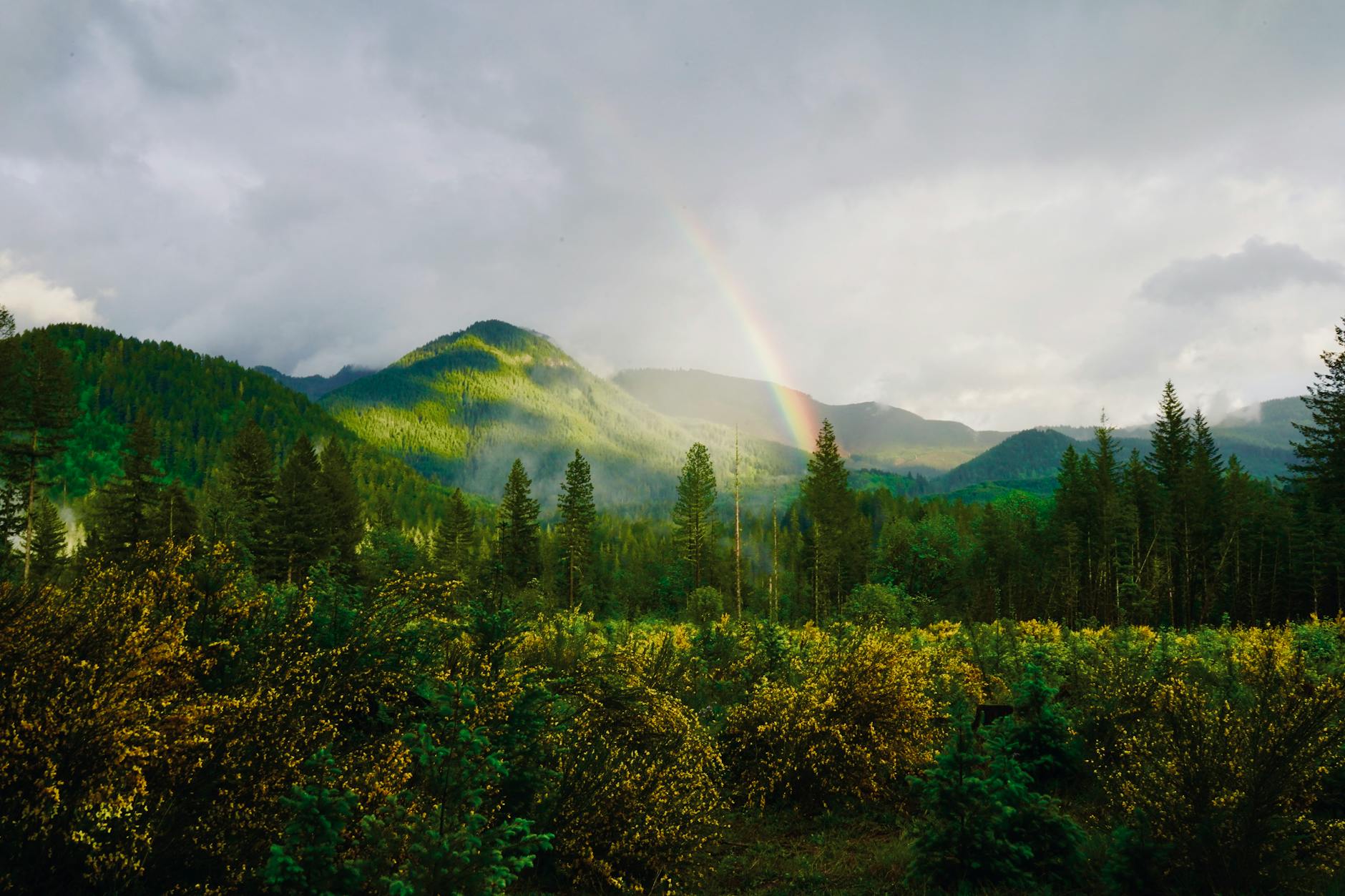
Australia's climate is a storyteller of dramatic extremes. One moment, you’re basking beneath St Kilda Beach's tranquillity, and the next, you’re shivering as a desert thunderstorm rolls in. Facing nature’s mood swings, I've learned flexibility is crucial. Check forecasts, but never assume it’s foolproof. In my trips, rain was both an obstacle and an unexpected delight, revealing rainbows over places I never thought I’d see wet.
Balancing Adventure with Conservation
Our travels leave footprints, but conscious travellers strive to make them as light as possible. While exploring majestic landscapes like those depicted on the walls of Hosier Lane, consider the fragile ecosystems they represent. Practicing responsible tourism has become a guiding mantra in my adventures. Supporting local eco-friendly ventures promises that future generations can still encounter kangaroos and koalas on trails we cherish. Those experiences have shown me that striking a balance between exploration and conservation is not just noble but necessary.